
 October 30, 2026
Retention Samples: Filament Dispute Insurance
When a filament claim turns into a dispute, both sides argue about different spools. Retention samples fix that: one sealed spool per lot, agreed testing, one line in the purchase order. Here is how the practice works and what to ask.
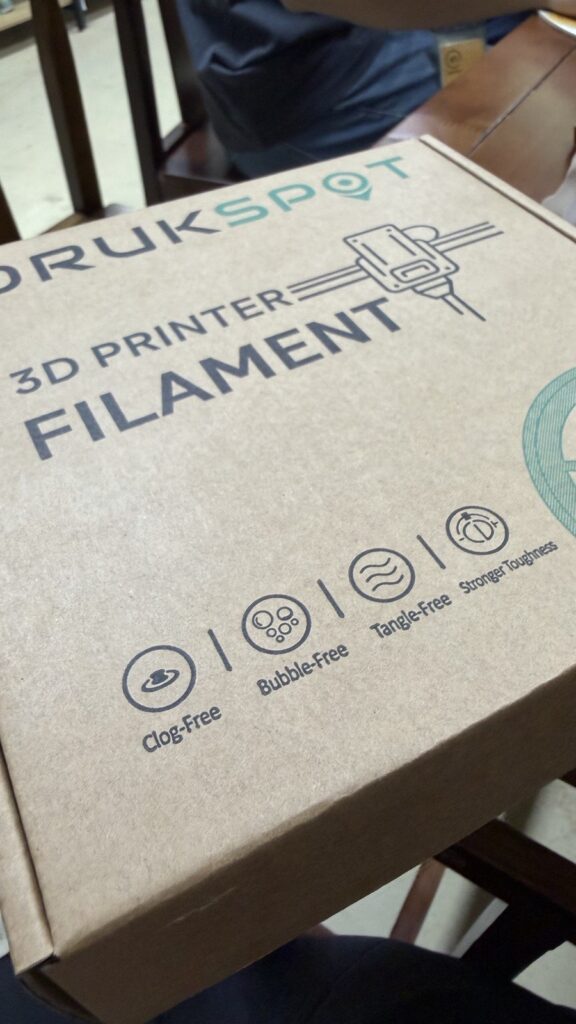
When a filament claim goes to dispute, the argument usually dies in the same place: your spool says one thing, the factory’s retained material says another, and nobody can prove which spool was really the problem. There is a boring, cheap fix for this. Ask the factory to seal and keep a reference sample of each production lot. Then, when a claim is disputed, both sides test the same physical spool.
Almost nobody asks for this. It costs the factory almost nothing, it settles arguments that otherwise turn into opinions, and it takes one line in your purchase order. This guide shows how the practice works.
Table of Contents
What Is a Retention Sample?
A retention sample is a spool (or a length of filament on a small spool) taken from a production lot, sealed the same way as shipped product, labelled with the lot reference, and set aside. It is not for sale. It is a witness.
The idea comes from mature manufacturing. Lots of industries keep them, because memory fades and packaging gets thrown away. Filament is a good fit: a sealed spool barely changes over a reasonable holding period, so a sample kept from lot such-and-such can still be opened, printed and measured long after your customer’s carton is gone.
You are not asking the factory to do something exotic. You are asking to know that the witness exists, and to agree in advance on how it gets used. The lot reference on the sample is the same one you log at receiving — the same basic traceability habit described in our sample approval checklist.
How Does One Settle a Dispute?
Walk the usual dispute without a sample. You report brittle prints. The factory tests its own material and finds it fine. Maybe they tested a different lot. Maybe storage at your end differed. The claim becomes a coin toss, and the relationship carries the bruise.
Now the same dispute with a retained sample. Both sides agree on a lab, or on each testing a portion of the same sealed spool. The test happens to a named method — tensile behaviour to ISO 527-1 is the usual common language — and the same physical material settles the question in either direction.
Two honest outcomes, both useful. If the retained sample fails the same way your stock did, the lot had a problem and the claim resolves quickly. If the retained sample prints clean, the investigation turns to what differed after the box left the factory — transport, storage, handling — which is exactly where it should look. Either way you are arguing about evidence instead of intentions.
One habit protects the arrangement: treat the seal as part of the evidence. Photograph the sealed sample before it is opened, note the lot reference in the shot, and when it matters, open it together on a call. A witness sample only works while both sides trust that nobody opened it first. The photo costs nothing and removes the question.
How Many Samples, and How Long Kept?
Keep this proportionate. A sensible default for filament lots:
| Question | Workable default | Note |
|---|---|---|
| How many per lot? | One sealed spool per production lot, or per colour run within a lot | Enough to test; not a warehouse of its own |
| Sealed how? | Same packing as shipped product | The sample must age the way your stock did |
| Labelled with? | Lot reference, date, line | Same lot code you log at receiving |
| Kept where? | At the factory, in dry storage | Ask where and how; it is a fair question |
| Kept how long? | Agree a window that matches your claim period | Longer than your warranty window, shorter than forever |
None of these numbers are exotic. The point of the table is that the terms are agreed when nobody is angry, so that the sample exists when someone is.
What Goes Into the Purchase Order?
One short clause does the work. In plain words: “Supplier retains one sealed sample per production lot, labelled with the lot reference, held in dry storage for the agreed period. On a disputed quality claim, either party may request that the retained sample be tested, by a laboratory agreed by both parties, with costs shared as agreed.”
Three small things to settle when you write it:
- Who triggers the test: either party, ideally, not just the buyer.
- Who pays: a common arrangement is loser pays, or split and settle with the claim.
- What happens to results: they attach to the claim record, whichever way they point.
If your programme is formal enough to run a product validation before launch, retention samples slot straight into that paperwork: the validation fixes the baseline, the retained lots let you check against it later. For straightforward wholesale orders, the clause alone is still worth having.
What Does the Answer Tell You About the Factory?
Ask a factory whether they keep lot samples, and watch the answer more than the yes or no.
A factory that keeps them will say so immediately, tell you where they are held, and probably already have the labelling convention. That is what an organised quality system looks like from the outside. A factory that does not keep them but offers to start, in writing, is workable. A factory that treats the question as strange, or promises vaguely and never confirms, has told you how the next dispute will go.
Like most of the checks in this series, the sample question is cheap and revealing. It costs one email. The answer sorts suppliers into those who can prove things and those who can only say things.
There is a second-order signal worth noticing too. Factories that keep samples usually also keep lot records, drying logs and release checks, because the habit of keeping evidence travels in a pack. So the question quietly tests more than it asks. A yes with specifics buys you confidence about a dozen things you never directly questioned.
True or False: Retention-Sample Myths
True or False: Retention samples are only for huge buyers with audit rights.
False. The practice scales down well: one sealed spool per lot and a one-line PO clause. It protects the small buyer most, because they have the least negotiating power in a dispute.
True or False: A retained sample proves whose fault a failure is.
Half true, which is the point. It does not assign blame by itself. It replaces a coin toss with evidence, and points the investigation at the factory or at the logistics chain.
True or False: Factories will refuse because it is extra work.
Mostly false. Organised factories already retain samples for their own protection. The buyer’s ask is mainly to know it happens and agree how the sample is used.
FAQ
Does FilaSource keep retention samples?
Ask us with your next inquiry, and the answer will be specific rather than promotional. What this article commits to is the practice: buyers should ask every factory this question, including us, and expect a concrete answer. Either way, the question belongs on your list for every factory you buy from.
How much does a retention sample arrangement cost?
For the buyer, usually nothing beyond the clause. The sample is drawn from production the factory was making anyway; the real cost is one shelf of dry storage, which is why organised factories do it for themselves regardless.
Can the buyer keep the sample instead?
Yes, and it is a good option for the first order or two. The trade-off is storage at your end and a sample that reflects your conditions rather than the factory’s. Either arrangement works if it is agreed in advance.
Should I ask for this on a first order or wait until we have volume?
Ask from the first order. The clause costs the factory almost nothing at any volume, and the first orders are exactly when you know least about them. Waiting until you have a problem to solve is waiting until the evidence you needed is gone.
What test should a disputed sample get?
Whatever matches the failure: a test print for print defects, dimensional checks for tolerance complaints, tensile testing to a published method such as ISO 527-1 for mechanical failures. The method matters more than the lab, as long as both parties agreed on it beforehand — agreeing the method in advance is what keeps a disputed test from turning into a second dispute.
Conclusion
Disputes without evidence are coin tosses with feelings. Retention samples turn them into tests. Ask your factory to seal one spool per lot, label it with the lot reference, and agree now, in one PO clause, how a disputed sample gets tested. The organised factories will say yes before you finish the sentence. The others have answered a different question for you.
Tell us the material, volume, packaging and destination — we reply within 12 hours. Reference MOQ from 100+ spools (≈100 kg) for standard colors.
Discuss Your Project