
 November 2, 2026
Keep Overnight Prints Alive: Spool Planning
Qualifying a filament for overnight runs is only half the job. This guide covers the other half: estimating metres per print, part-spool strategy, what runout sensors really do, auto-changeover options, and the morning-after check.
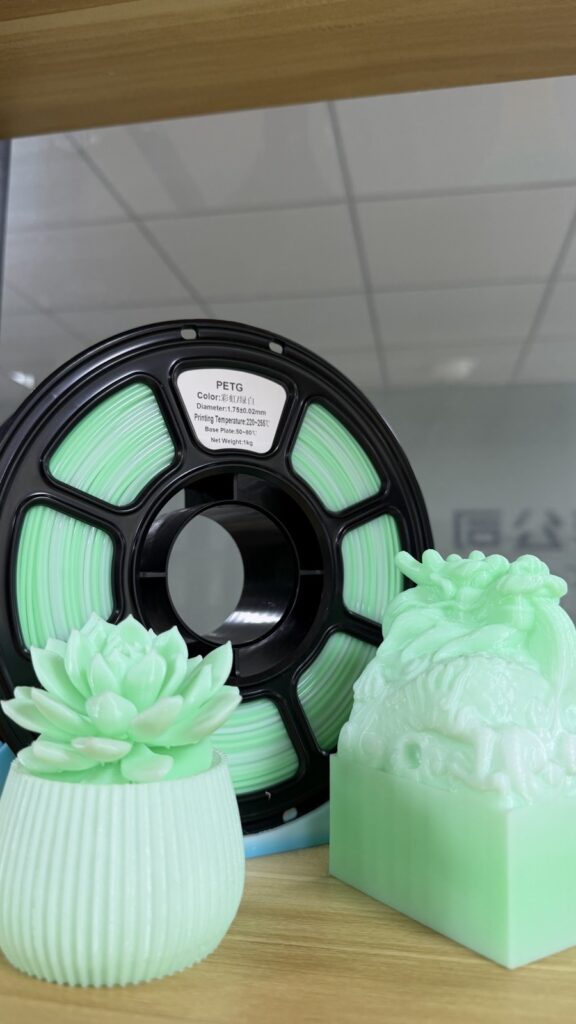
Most overnight print failures are not caused by bad filament. They are caused by bad spool planning. You start a long job, go home, and come back to a paused machine or a half-finished part. Planning the run around the spool changes that. It means knowing how many metres a job needs, which spools to use first, and what your machine does when the filament ends.
This guide is for print-farm operators and resellers who run machines unattended. It covers the practical side of keeping overnight prints alive. No hype. Just the decisions that matter before you leave the shop.
Table of Contents
- How Much Filament Does a Long Print Really Take?
- Do Part-Spools Belong on Overnight Jobs?
- What Happens When the Spool Runs Dry Mid-Print?
- Are Auto-Changeover Boxes Worth It?
- Should You Sequence the Riskiest Prints First?
- What Is the Morning-After Check?
- True or False: Overnight Print Myths
- FAQ
- Conclusion
How Much Filament Does a Long Print Really Take?
Your slicer already tells you the answer. Most slicing software shows estimated filament use in grams and metres. You want the metres number. A 1 kg spool of PLA is roughly 330 metres of 1.75 mm filament. PETG is close to that, though density shifts the number a little. Matte PLA can be slightly different again.
So a job that needs 180 metres uses a bit more than half a spool. A job that needs 310 metres is cutting it close. Do not guess. Check the estimate before you start. If the job needs more than a fresh spool holds, you need a plan for the changeover or a different schedule.
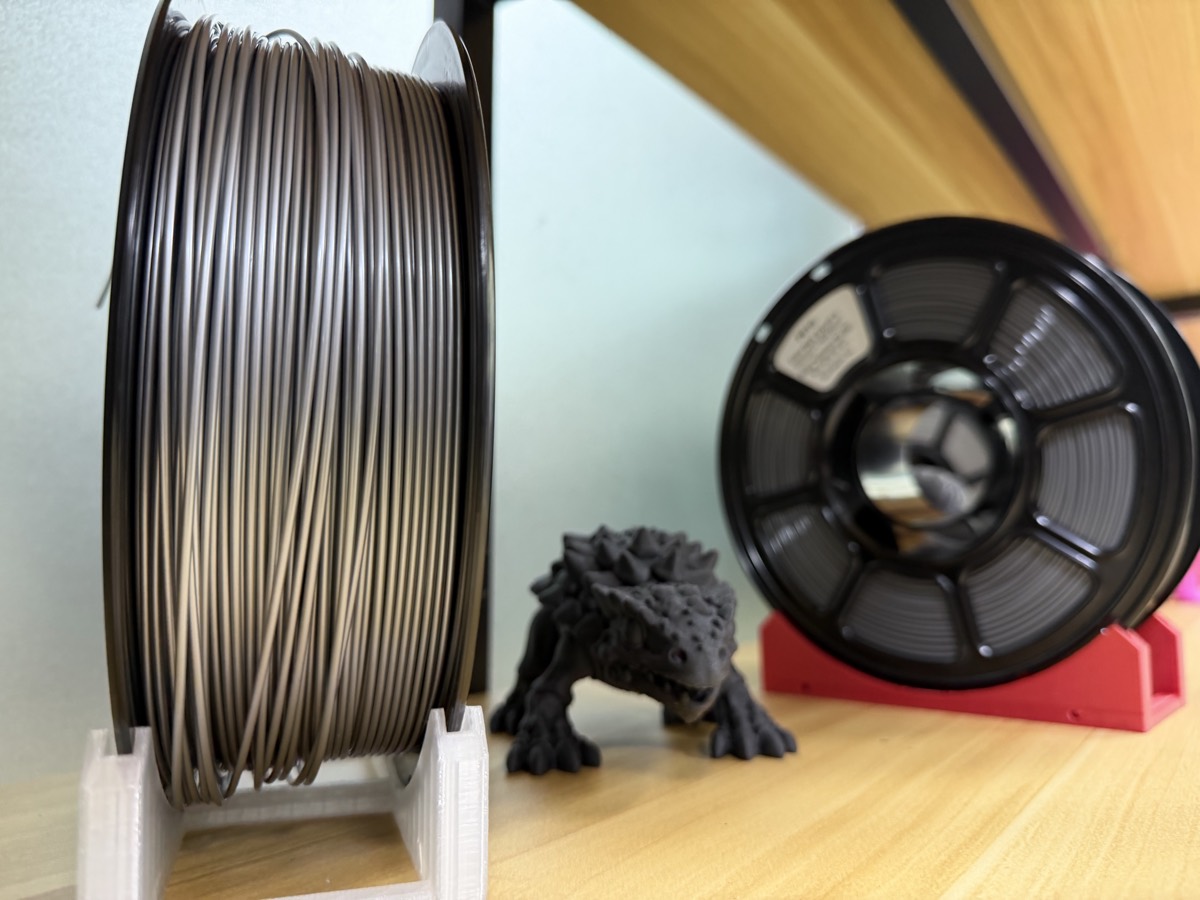
Farm operators often keep a simple log. Job name, estimated metres, spool weight before and after. After a few weeks, you learn which jobs are safe and which are not. That beats trusting a slicer estimate that may be off by a few percent. A few percent on a 300-metre job is the difference between finishing and not finishing.
Do Part-Spools Belong on Overnight Jobs?
Yes, part-spools belong on overnight jobs. But only when you know how much is left. A spool with 40 grams on it is fine for a 10-metre job. It is a bad choice for a 200-metre job. The rule is simple: match the remaining filament to the job, not the other way around.
Part-spools also help with stock rotation. Using up older partial spools keeps inventory moving and reduces waste. FilaSource buyers who run print farms often mix this into their shelf-life and stock rotation routine. Use the nearly empty spool for short prints or the first part of a multi-part job. Then switch to a fresh spool for the long overnight run.
One caution. If the part-spool has been sitting out, check it before you trust it overnight. Moisture or tangles on a partial spool can ruin a run faster than running out. If in doubt, use the partial spool on a daytime job where you can watch it.
What Happens When the Spool Runs Dry Mid-Print?
That depends on your machine. Most printers with a filament runout sensor pause the print when the filament stops feeding. The hotend stays warm, the bed stays warm, and the machine waits. Some send a notification to your phone or control software. You come back, load a new spool, and resume. The pause can last hours without ruining the part, as long as the bed does not cool and release the print.
Machines without a runout sensor behave differently. The extruder keeps turning, the hotend keeps moving, and the printer prints air. You come back to a finished-looking job that is actually half a part. That is the worst outcome. The machine never knows the filament ended.
So before you plan an unattended run, know which machines have working runout sensors. Test them. A sensor that triggers too late or not at all is the same as no sensor. If you run machines without sensors, every overnight job needs a spool with more than enough filament. No exceptions.
Are Auto-Changeover Boxes Worth It?
Auto-changeover boxes, sometimes called filament splicers or multi-spool units, feed a second spool when the first runs out. They are worth it for farms that run the same material and colour for long periods. If you print the same PETG part night after night, an auto-changeover box removes the pause entirely. The machine keeps printing and you keep sleeping.
They are less useful for mixed-material or mixed-colour jobs. The box cannot tell that the second spool is a different colour. It just feeds whatever is loaded. If your overnight run is one colour and one material, fine. If it is not, you are better off planning the spool manually.
Cost matters too. A changeover box is another piece of hardware to maintain. For a small farm, a simple runout sensor and a pause may be enough. For a larger operation, the time saved on unattended runs adds up. Think about how many overnight jobs you actually run before buying. For the filament side, FilaSource supports print-farm buyers with consistent spool formats that make changeover planning easier.
Should You Sequence the Riskiest Prints First?
Yes. Start the riskiest job first, not last. A risky job is one with a long print time, a tight filament margin, a new material, or a part that is hard to reprint. If that job fails at hour two, you still have the rest of the evening to restart it. If you save it for last and it fails at 2 a.m., the whole night is lost.
Sequencing also helps with spool use. Run the job that needs the most filament early, when you are still around to react. Then run the shorter, safer jobs later. By morning, the long job is done or nearly done, and any failure happened while you were awake.
Some farm operators also use the first hour of a print as a checkpoint. Start the risky job, watch the first layers, and only leave once the base is solid. That one habit prevents more overnight failures than any sensor. If the first layer is bad, nothing else matters.
What Is the Morning-After Check?
The morning-after check is a five-minute routine before you touch anything else. First, look at the machine. Is the job finished, paused, or still running? Second, check the spool. How much is left? Write it down. Third, check the part. Does it look complete? Any warping, layer shifts, or rough spots?
Then check the log. Compare the estimated metres to what the spool actually used. If the slicer said 210 metres and the spool lost 230, note that. Over time, those notes become your real-world filament usage data. That data is more useful than any generic estimate.
For print farms, the morning check also feeds into quality control. A part that looks fine at 7 a.m. may still have hidden issues. But catching visible problems early means you can reprint during the day instead of losing another night. The morning check is not busywork. It is how you stop small problems from becoming repeat failures.
| Overnight situation | What to do |
|---|---|
| Job needs more metres than one 1 kg spool holds (about 330 m of PLA) | Plan a changeover, or load an auto-changeover box with two matching spools |
| Part-spool with a known remaining length that matches the job | Use it first; it also keeps stock rotating |
| Part-spool that has been sitting out, or whose remaining length is unknown | Save it for a daytime job you can watch |
| Machine with a tested filament runout sensor | A pause-and-resume overnight run is safe |
| Machine with no runout sensor | Always load a spool with more than enough filament |
| Same material and colour repeated night after night | An auto-changeover box is worth it |
| Mixed material or colour on one job | Skip the changeover box and plan the spool manually |
True or False: Overnight Print Myths
True or False: A filament runout sensor always pauses the print at the exact moment the spool ends.
False. Sensors detect the absence of filament, but response time varies by machine and firmware. Some pause immediately; others have a short delay that can leave a small gap in the part.
True or False: A full 1 kg spool is always enough for any overnight job.
False. Some large or dense prints need more than 330 metres of filament. Always check the slicer’s metre estimate before starting an unattended run.
True or False: Leaving a printer paused overnight with a heated bed will always ruin the part.
False. Many machines hold bed temperature during a pause and resume cleanly. The risk is higher if the bed cools and the part releases, so know your machine’s behaviour before relying on a pause.
FAQ
How do I estimate filament use in metres?
Use your slicer’s filament estimate. It shows grams and metres for each job. If your slicer only shows grams, divide by roughly 3 grams per metre for 1.75 mm PLA as a starting point. Check your material’s TDS for the exact density.
Can I mix part-spools of different brands on one overnight job?
It is possible, but not ideal. Different brands can have slightly different diameters, colours, or flow behaviour. For unattended runs, use the same material and brand whenever you can. FilaSource mixing policies across materials and colours are confirmed with the quote.
What is the safest way to run a print that needs more than one spool?
Use a machine with a reliable runout sensor and plan the pause. Or use an auto-changeover box loaded with two spools of the same material and colour. Either way, test the setup during the day before trusting it overnight.
Does FilaSource offer spool formats that help with overnight runs?
Yes. FilaSource supplies 1 kg spools in export cartons of 10. That consistent format makes it easier to plan metre counts and stock levels. The reference MOQ is 100+ spools, approximately 100 kg. For more on safe printer operation during long runs, you can review research on emissions and safe operation of 3D printers from UL Chemical Insights.
Conclusion
Overnight prints do not fail because the filament is bad. They fail because nobody planned the run around the spool. Know how many metres the job needs. Use part-spools only when the remaining length matches the job. Understand what your runout sensor actually does. Decide whether an auto-changeover box fits your farm. Sequence the risky jobs first. And do the morning check every single day.
None of this is complicated. It is just attention to detail before you leave the shop. The machines do the work. Your job is to set them up so they can finish without you. Do that well, and overnight printing stops being a gamble. It becomes a routine that prints parts while you sleep.
Tell us the material, volume, packaging and destination — we reply within 12 hours. Reference MOQ from 100+ spools (≈100 kg) for standard colors.
Discuss Your Project