
 November 4, 2026
RMB or USD: Comparing Filament Factory Quotes Fairly
A filament quotation carries three currencies: quote, payment and invoice. This guide explains who carries the risk in each choice, how to compare two quotes on one dated published reference rate, and the currency terms to get in writing.
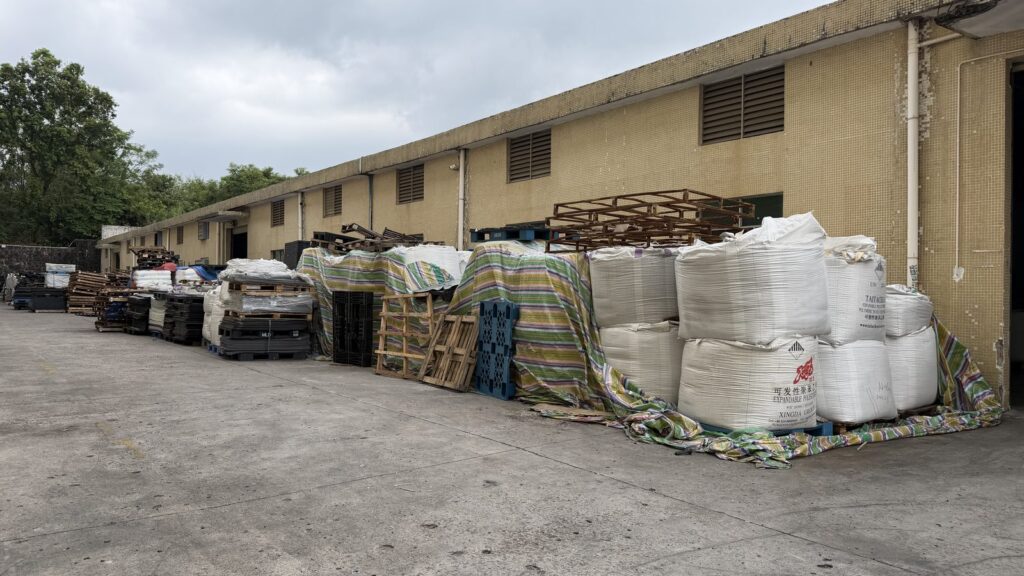
When a factory asks whether you want the quote in USD or RMB, most buyers hear a simple pricing question. I hear three separate choices: the currency on the quotation, the currency you pay in, and the currency on the invoice. They are not the same thing, and each mismatch can hide a conversion cost.
My rule is simple. Never compare a USD filament quote and an RMB filament quote side by side until both are converted onto one basis using one published reference rate with a date. After that, the real question is not which currency looks cheaper. It is who carries the risk between quote date and payment date, and how far that risk can travel before the spools land.
Table of Contents
- Why does the currency of a quotation matter more than the number?
- What are you actually choosing between with a USD quote and an RMB quote?
- How do you compare two quotes in different currencies fairly?
- What should the quotation say about currency, in writing?
- True or False: Currency Beliefs
- FAQ
- Conclusion
Why does the currency of a quotation matter more than the number?
A price looks solid until the exchange rate moves under it. The quoted number only matters when you know when it gets converted and who pays for the move.
When you buy bulk filament, most buyers read the price per spool and the total. I look at three currencies that are easy to confuse.
- Quotation currency: the currency the offer is printed in.
- Payment currency: the currency you actually send.
- Invoice currency: the currency on the commercial invoice.
Those can all be the same. They can also be different on purpose. A factory may quote in USD because that is familiar to you, ask for payment in USD, but invoice in RMB because that is what its bookkeeping needs. Each handoff between currencies is a place where a conversion fee or a spread can sit.
That is not always a trick. But if you do not ask, you will not see it.
My rule: before I compare any two filament offers, I write down the quote currency, the payment currency, and the invoice currency for each one. If any pair does not match, I find out exactly where the conversion happens.
What are you actually choosing between with a USD quote and an RMB quote?
A USD quote does not mean the factory is taking all the risk. An RMB quote does not mean you are getting the honest local price. What changes is who sits on the conversion exposure and who has the incentive to pad.
When a China-based factory quotes you in USD, the factory has to turn those dollars into its own operating currency. If the reference rate moves between the quote date and the payment date, the factory’s side absorbs that move, unless it padded the original number. They may widen the margin to protect themselves. That can make the USD quote look slightly higher without showing a line item.
When a factory quotes in its own currency, like RMB, you carry the exposure between deposit and balance payment. If the reference rate moves against you after you sign, your landed cost moves with it. You may also pay a conversion fee on your side. But the factory’s price sits closer to its local cost stack, so the quote may look cleaner.
Neither is automatically better. The choice is really about who is better positioned to absorb or manage that exposure.
| Dimension | Quote in USD | Quote in factory currency |
|---|---|---|
| Who carries conversion risk | Factory, between quote and conversion on its side | Buyer, between quote and payment |
| Margin padding incentive | Often present, hidden in the unit price | Lower on the factory side, but headline price may still be marked |
| What to demand | Named conversion source and date window | Named reference rate and date window for your own comparison |
| Common hidden cost | Factory or bank spread baked into USD price | Your bank’s conversion fee and worse payment-day rate |
| Fair comparison | Convert to one dated reference rate basis | Same |
A USD quote is not a favor, and an RMB quote is not a trick. Each one simply moves a different part of the conversion risk onto the buyer or the factory.
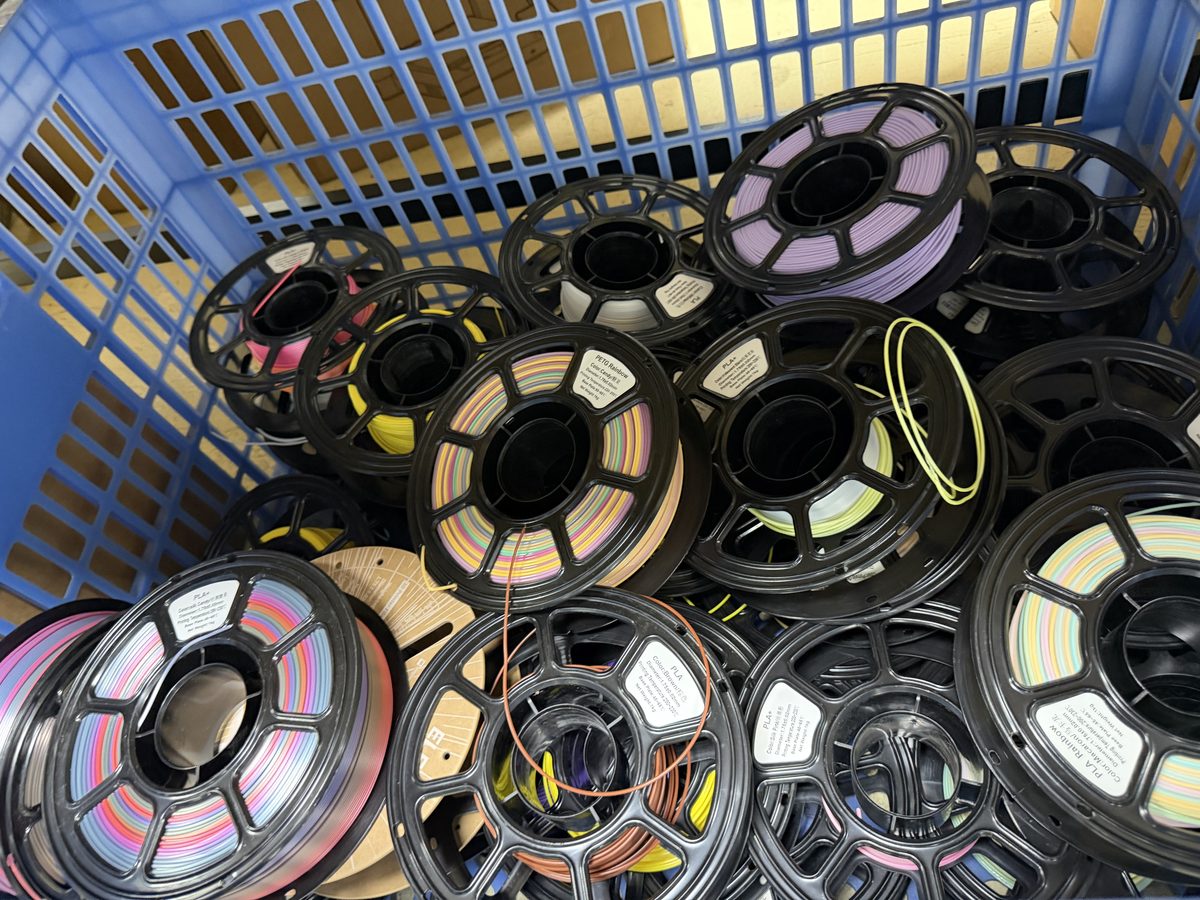
My rule: when the quote and payment currency differ from the factory’s operating currency, I treat the currency risk like a cost item. I ask who converts, when, and which reference source will settle it.
How do you compare two quotes in different currencies fairly?
The wrong way to compare is to take the quoted numbers as they are. The right way is to put both numbers on the same page with the same date.
If one quote is in USD and the other is in RMB, comparing them directly is guessing. You need one reference rate, published on a date you can point to, not a rate from either supplier’s memory.
I use the Federal Reserve H.10 foreign-exchange rate release as a neutral reference for this kind of comparison. It is published, dated, and your supplier can look at the same page. That removes the “my bank says” argument. Here is the page: Federal Reserve H.10 foreign-exchange rates.
Convert one quote into the other currency using that dated reference rate. The direction does not matter, as long as both quotes use the same source and the same date. Now you can compare the unit price, shipping line, and any other line item on equal footing.
Keep one thing separate in your head. This is a comparison snapshot, not a payment guarantee. If the payment happens later and the rate moves, the real landed cost may move. The point of the dated reference is to compare what was offered, not to promise what you will pay on a future date.
If the two factories used different dates or different sources for their quotes, the comparison is not clean. I ask each supplier to restate their total on one date using one published source. If they cannot do that, I cannot compare the offers.
My rule: I compare quotes only after both are converted onto one dated, published reference basis. Everything before that step is just two numbers printed on different paper.
What should the quotation say about currency, in writing?
A verbal promise about exchange rates is not a quotation. A real quotation pins the currency terms well enough that both sides can check them later.
When I help a buyer structure a bulk filament purchase, the currency paragraph matters as much as the unit price. I want four items in writing:
- Quote currency. The currency the unit price and totals are printed in.
- Payment currency. The currency you will send, and the account details to match it.
- Reference-rate source and date window. Which published rate will apply, and from when to when.
- Who pays conversion fees. If a conversion happens at either end, whose bank charges are deducted.
A quote that says “we will use whatever the rate is on payment day” without naming a source is an open-ended term. That is not a term. That is a blank check. It gives the factory’s bank the power to set your landed cost, and you will not know the number until after you have paid.
I also prefer to keep the quote currency and the payment currency consistent. If the quote is in USD, I want to pay USD. If the quote is in RMB, I want the payment instruction in RMB. That avoids a second conversion that nobody planned.
If the gap between deposit and balance payment is long, the comparison math is not enough by itself. You may want to ask your own bank about forward cover. That is a conversation with your bank, not a number I would quote you. It can help freeze part of the exposure if your payment schedule stretches out.
I treat these currency terms with the same care as the quality-control plan. If it is not written down, it does not count.
My rule: before I sign any purchase order, I make sure the currency paragraph has all four items in one place. If one is missing, I ask for it in writing before the deposit leaves.
True or False: Currency Beliefs
True or False: A cheaper number in the factory’s currency is automatically the cheaper quote.
False. A quote in the factory’s currency may reduce the padding incentive, but it moves conversion exposure and your bank’s spread onto you. Compare both quotes on one dated reference rate before deciding.
True or False: The currency of the quote and the currency I pay in can be different things.
True. A quote may be printed in one currency, paid in another, and invoiced in a third. Each handoff can carry a conversion fee or spread.
True or False: If the rate moves against me between deposit and balance, that is the factory’s problem.
False. When the quote is in the factory’s currency, you carry the exposure between deposit and balance. If the rate moves against you, your landed cost moves.
FAQ
Some currency questions repeat on almost every order. The answers get shorter once you know which page of the quote to read.
Can I ask a factory to quote in both USD and RMB?
Yes, and it can be useful for a fair comparison. Ask the factory to state the reference-rate source and date window for each quote, so the two numbers can be converted onto one basis. Two totals printed on the same page are not automatically comparable.
Which red flag is worse: no currency stated, or “rate on payment day” with no source?
Both are bad in different ways. No currency stated means you cannot compare the offer at all. A payment-day rate with no named source means the currency risk is open-ended and hidden until after you pay. I treat either one as an incomplete quote.
If I pay in RMB for a USD quote, what happens?
It depends on the written terms. If the quote does not pin down the reference rate and date window, you may get a conversion at the factory’s bank rate plus a spread, and the landed cost may move after you agree to the order. The cleaner path is to keep quote currency and payment currency consistent unless the quotation states the conversion rule in writing.
Do I need a forward contract for a filament order?
Not always. If the gap between deposit and balance is short, a clear reference-rate formula in the quotation may be enough. If the gap is long or the order is large, ask your own bank about forward cover. That is a bank conversation, not a factory quote term.
My rule: if the FAQ answer starts with “it depends,” the next question is always “does the quotation say so in writing?”
Conclusion
The currency of a filament quotation is not a detail under the total. It is part of the cost. A USD quote and an RMB quote can only be compared after both are converted onto one dated, published reference basis. Before that, you are comparing two different bets.
Get the four currency terms in writing: quote currency, payment currency, reference-rate source and date window, and who pays conversion fees. Keep quote and payment currency consistent when you can. If the payment gap is long, ask your bank about forward cover.
I would rather have a slightly less convenient quotation with clear conversion terms than a familiar number with a hidden move. The number that protects you is not the one on the first line. It is the one you can trace from quote date to payment date.
Tell us the material, volume, packaging and destination — we reply within 12 hours. Reference MOQ from 100+ spools (≈100 kg) for standard colors.
Discuss Your Project