
 November 2, 2026
Order Filament Samples From Two Production Batches Before Your First Big Order
One sample spool shows one batch on one day. Asking a filament supplier for samples from two different production batches - and testing them under one recorded protocol - is the cheapest way to predict consistency before your first big order.
Table of Contents
- Why Does a Single Batch Tell You So Little?
- What do two independent batches mean in practice?
- What test protocol is worth recording?
- How do you read the result: consistent, divergent, or inconclusive?
- How Does the Supplier’s Response Reveal More Than the Samples?
- What Can a Two-Batch Test Not Catch?
- How do you go from two batches to a supply agreement?
- Frequently Asked Questions
- Conclusion
One sample spool can only tell you what one production batch looked like on one day. It cannot tell you whether the supplier’s process holds its settings week after week — and batch drift is what actually hurts brands that resell filament. The cheapest predictor of long-term consistency is a two-batch sample: ask for spools from two different production batches, produced at least a few days apart, and run them through the same recorded test protocol. If the two batches print and measure alike, your risk drops sharply. If they diverge, you have found a problem before it becomes your customers’ problem.
Why Does a Single Batch Tell You So Little?
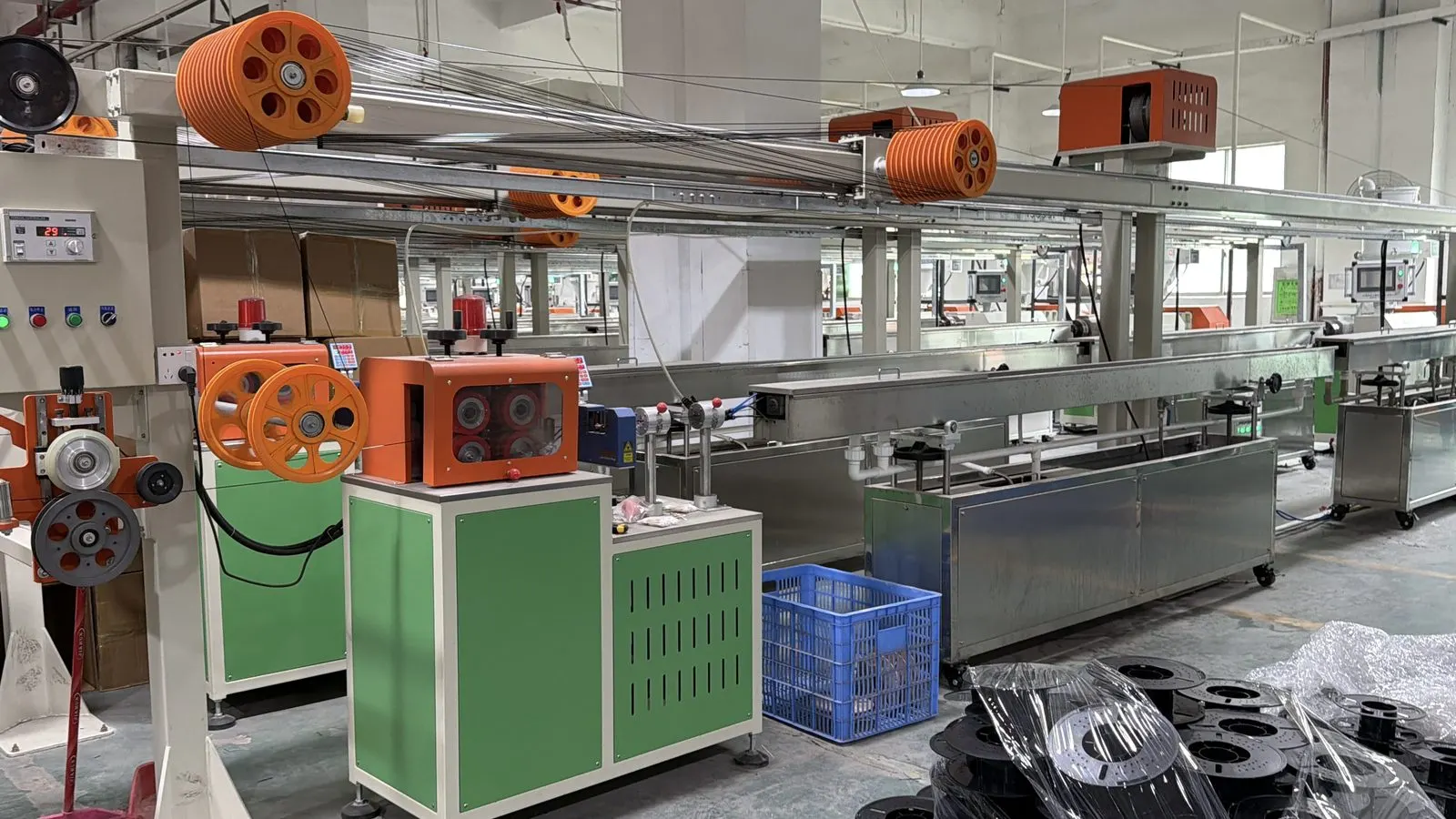
Filament extrusion is a continuous process with many small settings: drying temperature, melt temperature, line speed, cooling, winding tension, and the resin lot feeding the line. On any given day, a competent operator can dial these in and produce an excellent batch. The question that decides whether you can build a brand on a supplier is different: does the factory return to the same settings, with the same raw materials, and get the same result next month?
A single-batch sample is essentially one photograph of the process at its best moment — suppliers naturally pick a batch they are proud of. It reveals fatal flaws: severe ovality, brittle winding, wild diameter swings. It cannot reveal drift, because drift is a difference between batches, and you have nothing to compare against.
This is why experienced importers treat a lone sample as a screening test, not a qualification test. Qualification needs at least two points in time.
What do two independent batches mean in practice?
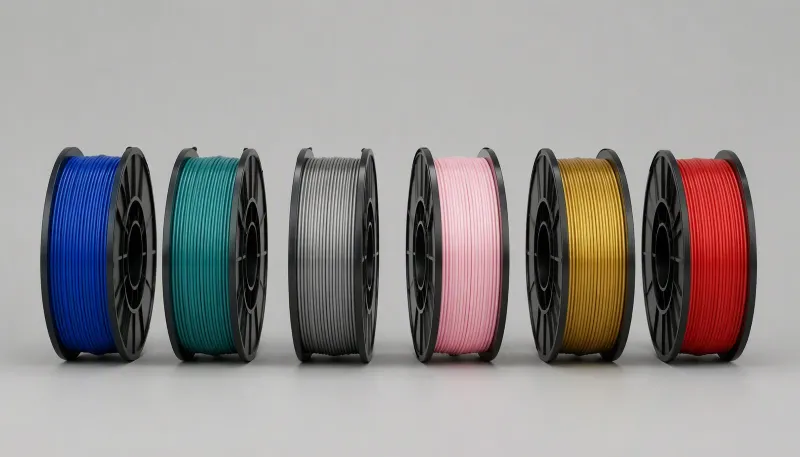
The value of the comparison depends on the two batches being genuinely independent. When you request samples, specify:
- Different production dates. Batches made on different days, ideally a week or more apart. Two spools from the same production run are one sample wearing two labels.
- Batch numbers you can verify. Ask for the batch or lot ID printed on each spool or box, and keep it in your records. Later, when production orders ship, you can check whether the lot numbering scheme is consistent with what you were sent.
- The same material and color. Compare like with like. Two batches of the same PLA color expose process stability; two different materials mostly expose the difference between materials.
- Documented link to the line. If the supplier operates several extrusion lines, ask that both batches come from the line that will run your orders — or note which line each came from.
Suppliers with mature quality systems answer these requests easily, because batch identity is already part of their record-keeping. Hesitation here is an early warning worth taking seriously.
What test protocol is worth recording?
Random impressions do not survive a disagreement. Before the samples arrive, write down exactly what you will do with them, and record the results as you go. A protocol that fits on one page is enough:
| What to record | Why it matters |
|---|---|
| SKU, color, batch ID, production date of each sample | Ties every observation back to a specific lot |
| Printer model and nozzle used for testing | Differences in hardware can mask or fake differences in filament |
| Slicer settings (temperature, speed, cooling) | Fixed settings make the two batches comparable |
| Test models printed | Same files on both batches, including one small precision part |
| Room conditions while printing | Humidity and temperature affect surface quality and stringing |
| Diameter measurements at several points | Measured with the same gauge, at start/middle/end of each spool |
| Your pass/fail criteria, written before printing | Stops you from rationalizing a bad result after the fact |
The point of the template is not bureaucracy. It is that when the second batch behaves differently from the first, you can show the supplier precisely what changed, instead of arguing from memory.
Put real numbers in that last row before the samples ship. For 1.75 mm filament, FilaSource’s published tolerance is 1.75 mm ±0.02 mm, so a spool that reads between 1.73 mm and 1.77 mm at the start, middle, and end passes, and a single reading of 1.70 mm fails on the spot no matter how the test prints look. Check ovality the same way at every stop: measure the diameter, rotate the filament roughly 90 degrees, measure again, and repeat at several points along the length — the difference between the largest and smallest reading at the same point is that point’s ovality. A cross-section that reads 1.75 mm one way and 1.80 mm across is out of round by 0.05 mm, and it will print like a diameter problem even though the average looks correct.
How do you read the result: consistent, divergent, or inconclusive?
Consistent batches — similar diameter measurements, similar surface finish on the same test prints, similar behavior at the same temperatures — tell you the factory’s process control carries across time. That is the single most valuable thing a pre-contract test can establish, and no datasheet can substitute for it.
Divergent batches — one prints cleanly, the other strings or under-extrudes under identical settings — mean the process is not stable yet. Ask the supplier to explain with data: a change in resin lots, a different shift, a changed setting. A good supplier investigates and re-samples; a defensive one blames your printer. Both reactions are information.
Inconclusive results happen when your own test conditions varied. This is why the recorded protocol matters: re-run both samples under locked settings before drawing any conclusion.
How Does the Supplier’s Response Reveal More Than the Samples?
The request itself is a test of the relationship:
- Immediate, specific compliance (“batch A ran on the 12th, batch B on the 23rd, lot numbers are on the box”) signals a functioning batch system — the same system that will support claims and recalls later.
- Vague agreement (“sure, we’ll send two samples”) without batch identifiers often means the samples will come from the same run, quietly defeating the comparison.
- Refusal is rare, and disqualifying. A supplier who cannot produce two identifiable batches before a contract will not produce traceable batches after one.
Read the three reactions as one message about where quality lives in the organization. A supplier who answers with dates and lot numbers is showing that batch identity is routine record-keeping on the factory floor, not a favor staged for a prospect — and those same records are what make a warranty claim or a recall executable after you have signed. A supplier who treats the request as an inconvenience is telling you that quality documentation exists only when a customer demands it, which means that once orders become routine and nobody is asking, nobody is recording. The samples tell you about the filament; the response pattern tells you whether the system behind the filament will still be there six months into the contract.
What Can a Two-Batch Test Not Catch?
Used honestly, the method also has limits you should name before relying on it:
- Resin supply changes after qualification. Two good batches do not bind the supplier to the same resin source next quarter. Your PO’s acceptance limits are what protect you there — the sample test starts that protection, it does not finish it.
- Scale differences. Sample batches sometimes run on smaller lines or at gentler pace than bulk production. Ask directly whether the sample line and the bulk line are the same equipment; if not, weight your first production lot as an additional checkpoint.
- Packaging and transit variables. A spool that leaves the factory well-wound and sealed can still arrive compromised. Two-batch testing qualifies the filament; incoming inspection qualifies each shipment.
- Color range drift. Qualifying natural or black does not qualify every pigment in the catalog. Each launch color deserves at least a screening run of the same protocol.
Knowing these blind spots is what separates a buyer who ran one test from a buyer who runs a system.
How do you go from two batches to a supply agreement?
Once two batches pass, fold the protocol forward instead of archiving it. Reference the recorded test in your purchase agreement as the acceptance baseline: future lots are expected to match the qualified batches’ measured performance, and material that visibly diverges is grounds for replacement or rejection under the contract’s quality clause. Buyers who take this step find that batch quality disputes become shorter, because the argument is about a written baseline rather than taste.
Two-batch qualification is also the natural first step of a private-label program: before your logo goes on someone else’s spools, you want evidence that the spools are the same month after month. If you are evaluating partners for a brand line, this test belongs in your checklist before artwork ever gets discussed.
The approach scales with your program. A distributor qualifying a PLA line can run the same two-batch protocol the same week a brand owner uses it before signing a private-label filament agreement. Published specifications such as ISO 5425 for PLA filament, viewable in the iTeh Standards catalog, give you neutral language for diameter and quality requirements when you write those acceptance terms.
The sample order itself is simple to place, and the fee does not disappear with the test. Samples are paid, and the sample fee is credited toward your first qualifying production order — so if the two batches pass and you proceed, the exercise has cost you freight and bench time rather than the spools themselves. Requests run through the inquiry form: state the material, the color, and your estimated order volume, ask for two batch-identified spools from different production dates, and expect a reply within 12 hours. Stating a realistic volume matters, because it lets the supplier pull samples from the color program and the line that will actually run your orders.
Anchor the test to the order it protects. Reference minimums start at 100+ spools (≈100 kg), so the two spools on your bench stand in for a real production commitment, not a token purchase. Whoever runs the protocol, the larger the first order, the more a written baseline built from two recorded batches earns back its few hours of setup.
Frequently Asked Questions
Isn’t asking for two batches overkill for a small first order?
No — it is the least expensive form of risk reduction available to you. The samples cost little, your testing time is a few hours, and the alternative is discovering drift through customer complaints after you have committed to a production run.
What if the supplier says they only keep one batch in stock for sampling?
Ask them to produce the second batch for you, even if it means waiting a week. A factory that plans to supply you monthly can produce a second sampling batch. Inability to do so says something important about scheduling or record-keeping.
Do I need lab equipment for a two-batch comparison?
No. A consistent micrometer or caliper, one printer held at fixed settings, and the same test files will surface most batch-to-batch differences that matter commercially: diameter shifts, finish changes, stringing, and winding faults. Lab testing becomes worth paying for when the stakes rise: as order volumes grow toward production scale, when a batch fails and you and the supplier disagree about why, or when a customer or certification body asks for documented test results no bench protocol can produce.
How does this relate to certificates and datasheets?
Certificates describe the factory system; datasheets describe intended specifications; batch samples show what the process actually delivered on two dates. The strongest supplier files hold all three layers, and the two-batch test is the only one you control end to end.
Should both sample batches be the color I plan to launch with?
Yes, ideally. Colorants change flow behavior, so the most honest test uses the exact material and color you intend to sell. If you are qualifying several colors, run the protocol on your lead color first and spot-check the others.
Conclusion: Make the Second Batch Standard Practice
Two identifiable production batches, one recorded protocol, and a written baseline turn “hope it holds” into a repeatable qualification step. Add the blind spots to your checklist and let the sample conversation filter suppliers before contracts do. Browsing a range you could qualify this way? Ask us for two batch-identified samples through the inquiry form.
Tell us the material, volume, packaging and destination — we reply within 12 hours. Reference MOQ from 100+ spools (≈100 kg) for standard colors.
Discuss Your Project